
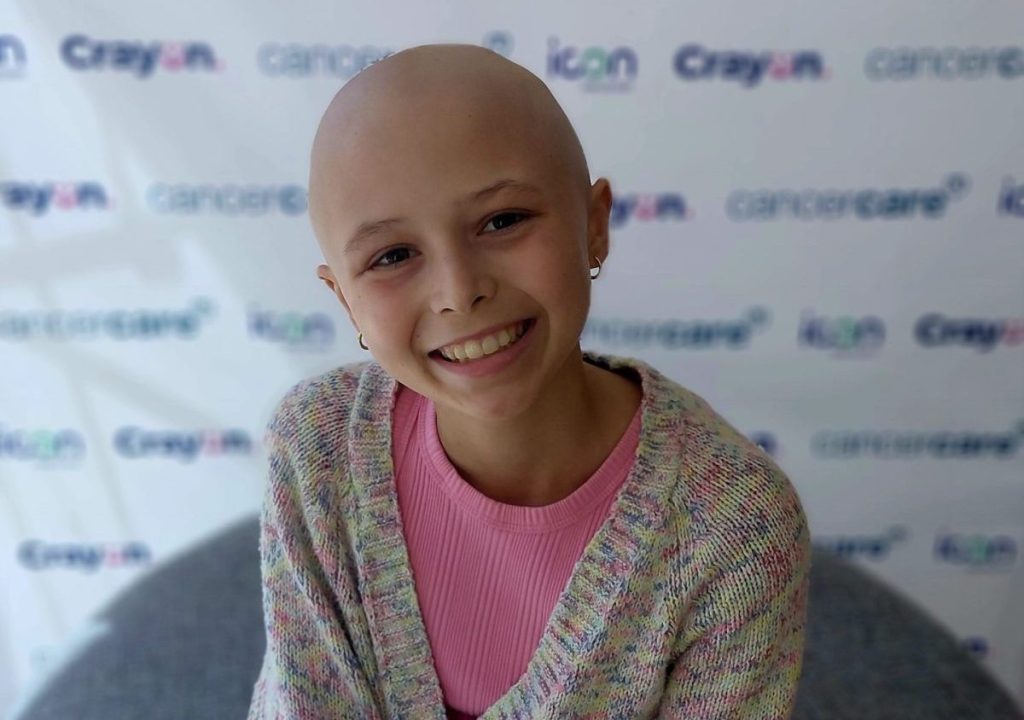
In January 12-year-old Chánterie van Rensburg could barely walk. Today, her cancer is in remission and she is back at school.
Cape Town oncologist Dr Johann Riedemann explains why life after cancer needs just as much care as the treatment itself.
Chánterie was a healthy, active 12-year-old from Monte Vista in Cape Town. However, at the beginning of this year, everything changed.
On 6 January, she was admitted to hospital with severe back pain and soon could barely walk. She was diagnosed with rhabdomyosarcoma. This is a rare cancer that starts in the body’s soft tissue, such as muscle.
“A few days later, we found ourselves in a world of cancer, operations, chemotherapy and hospitals,” says her mother, Clarissa.
Over the next eight months, Chánterie had nine rounds of intensive chemotherapy and 20 radiation treatments. There were hospital stays, blood transfusions, very low blood counts, hair loss and exhaustion. Some days, her body simply had to recover before the next treatment could start.
“Through everything, she amazed us with her determination,” say Clarissa and dad Divan. “There were difficult days and tears, of course. But there was also lots of laughter and incredibly beautiful moments in between.”
On 27 August, the family heard the news for which they had been praying: Chánterie’s scan was clear, and her cancer was in remission. “We felt an incredible mix of emotions that day,” says Clarissa.
Back where she belongs
Chánterie is now back at Panorama Primary School, where she is head girl. During her treatment, her big dream was to be well enough to take part in her last Interschool tournament. She made it.
“Seeing her there with her team on the hockey field, after everything her body has been through, was one of those moments we will never forget,” say her parents. “Now she really just wants to be herself again. A 12-year-old girl who goes to school, spends time with her friends and does the ordinary things children should be able to do.”
The journey after treatment
For families like the Van Rensburgs, the end of treatment is a huge milestone. But it is not the end of the journey. “We know the road is not completely over yet,” say Divan and Clarissa. “She is now starting maintenance treatment, a daily chemotherapy medicine that she will take for the next year, and her doctors will monitor her very closely. But today she is in remission, and we are incredibly grateful for that.”
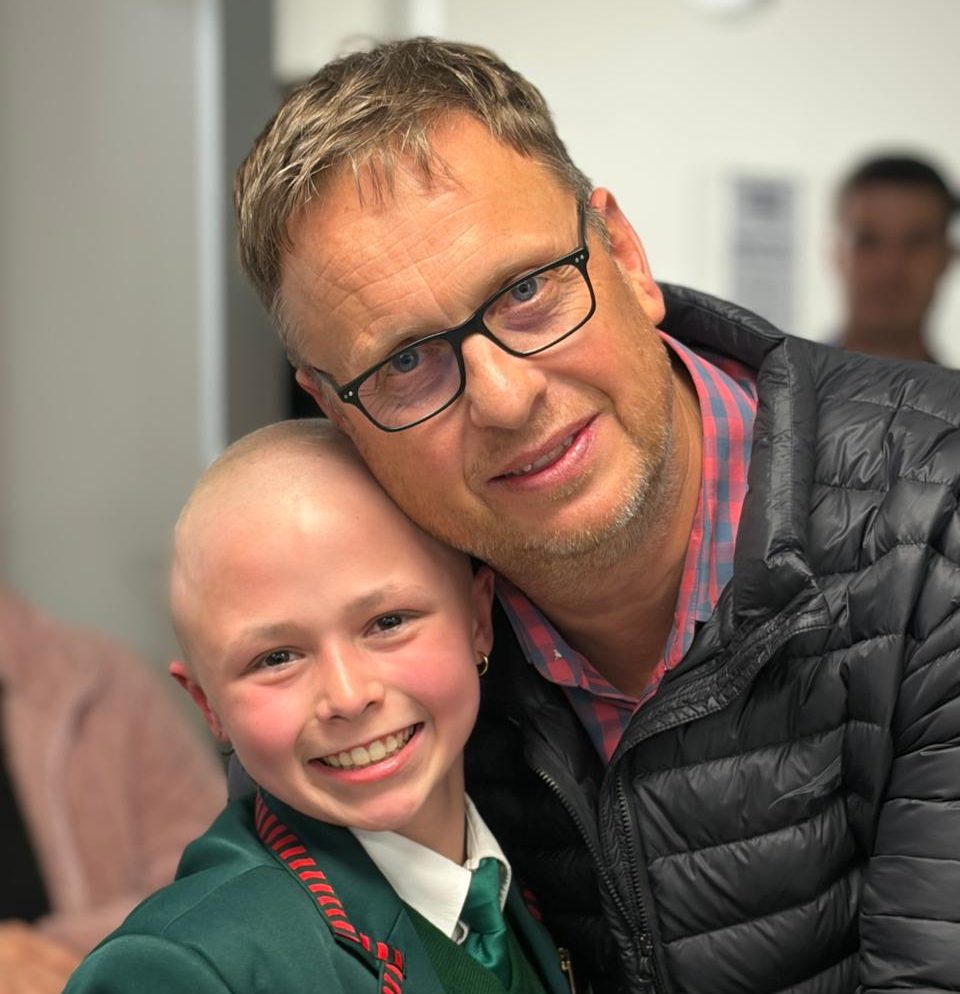
This next stage is known as survivorship. Chánterie’s oncologist, Dr Riedemann (pictured below), says it is one of the most important parts of childhood cancer care, and one of the least understood.
“Survivorship does not start on the last day of treatment. It starts on the day a child is diagnosed,” he says. “From our very first conversation with a family, we are already planning for the life we want that child to live afterward.”
When tests show no signs of active cancer, doctors say the cancer is in remission. Children then keep having regular checkups for many years. This helps the care team notice any changes early.
“Children’s bodies are still growing and developing,” explains Dr Riedemann. “Sometimes the effects of treatment only show up months or even years later. For example, it can affect growth, learning or fertility. That is why follow-up care does not simply stop. We walk with our young patients and their families for the long term.”
Caring for the whole child
Life after cancer is not only about the body. Many young survivors worry that the cancer will come back. Some find it hard to catch up at school or to fit back in with friends. Parents, brothers and sisters need support, too.
“Cancer touches every part of a young person’s life: their feelings, their schoolwork, their friendships and their confidence,” says Dr Riedemann. “That is why we care for the whole child and the whole family, not only the illness.”
A team built around each young patient
This approach is at the heart of Crayon, the specialist unit Dr Riedemann founded in Cape Town’s northern suburbs. Crayon stands for Childhood, Radiation, Adolescent, Young Adult, Oncology Network. It was established through a collaboration between Icon Oncology South Africa and Cancercare SA. It is the first unit of its kind in South Africa, caring for patients aged 0 to 39.
Crayon is more than a treatment unit. It brings together oncologists, surgeons, psychologists, dietitians and other specialists in one fully integrated team. Together, they support each young patient across the whole journey of care, from diagnosis and treatment to life afterward.
“No single doctor can give a young person everything they need,” says Dr Riedemann. “At Crayon, our specialists work as one team. We discuss every patient together and build each plan around that child and their family. This means families never have to find their way through it alone.
“Chánterie has shown remarkable courage,” he adds. “Her story shows what is possible when a skilled team, a loving family and a caring community stand together.”
For the Van Rensburg family, that community made all the difference. “This journey showed us what community really means. We never felt alone,” they say. “As a family, we truly believe that medicine, incredible doctors and nursing staff, prayer and grace are all part of her story.”
Trust your instincts
Dr Riedemann’s message to parents is simple: “You know your child better than anyone. If something does not seem right and it does not go away, please see a doctor and ask questions,” he says. “Childhood cancer is rare. But finding it early can make a real difference to a child’s treatment and their future.”
According to the National Cancer Registry, between 800 and 1 000 children are diagnosed with cancer in South Africa each year. It is estimated that fewer than half of all children with cancer in the country are ever diagnosed.
Know the warning signs of childhood cancer
Take your child to a doctor if they have any of these signs and they do not go away. These are known as the Siluan warning signs:
- S: Seek medical help early if symptoms carry on.
- I: Eye – a white spot in the eye, a new squint, sudden loss of sight or a bulging eyeball.
- L: Lumps – a lump or swelling on the tummy, pelvis, head, arms, legs, testicles or glands.
- U: Unexplained illness – a fever for more than two weeks, weight loss, tiredness, looking pale, or bruising and bleeding easily.
- A: Aches – pain in the bones, joints or back, or bones that break easily.
- N: Nerve and brain signs – changes in walking, balance or speech, losing skills your child already had, headaches that keep coming back (with or without vomiting), or a head that is getting bigger.
Tip for parents: Write down any unusual symptoms, when they started and how they have changed. Take these notes along to the doctor.
Supporting your child after treatment
- Go to every follow-up appointment, even when your child feels well.
- Keep a simple record of your child’s treatment and any new symptoms.
- Talk openly about feelings. It is normal for children and parents to worry that the cancer may come back.
- Help your child return to school, sport and friends at their own pace.
- Look after yourself, too. Ask the care team about support for parents and siblings.


