
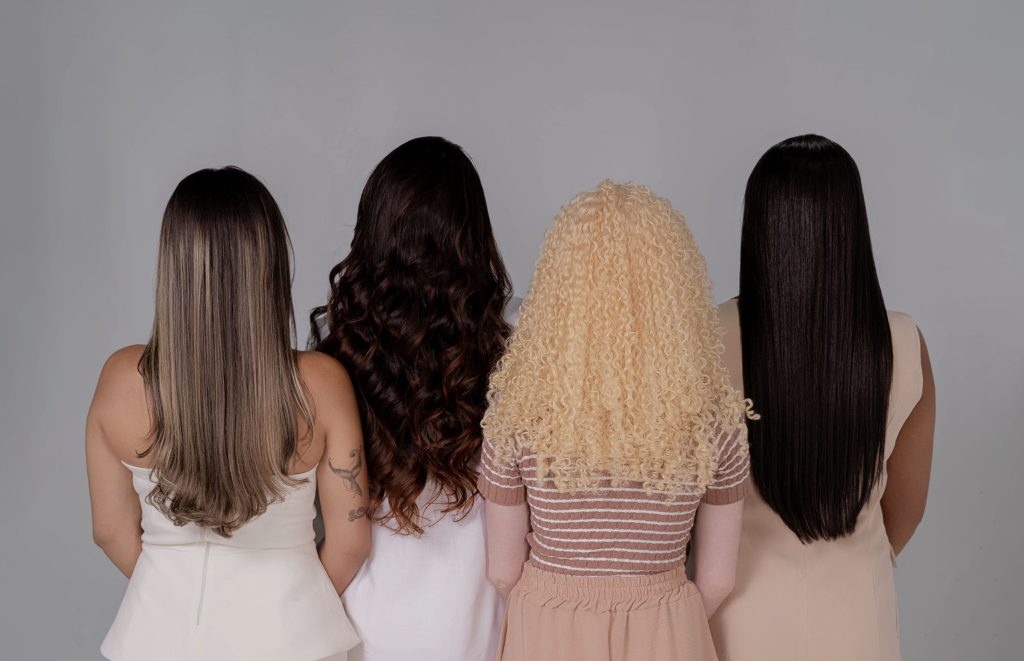
As South Africa heads into spring, Dr Alek Nikolic, specialist in aesthetic medicine and owner of SkinMiles, shares guidance on why colour-treated hair fades over the colder months and how to protect it as UV exposure rises again.
The advice comes as dry indoor heating, hot showers and longer sun exposure combine to leave dyed hair rough, faded and dull – a seasonal pattern that affects most South Africans with colour-treated hair.
This combination of external factors leaves the hair shaft rough and moisture-depleted. At the same time, gradually lengthening days increase exposure to UV radiation, which contributes to colour fading by altering artificial colour molecules and damaging the proteins that keep hair strong, smooth and glossy.
“Colour longevity is closely linked to the condition of the hair cuticle,” says Dr Nikolic. “When that protective outer layer is damaged or highly porous, colour escapes more easily – and hair reflects less light, so it can appear faded and dull.”
Protect the cuticle at every wash
Water and shampooing are a major cause of colour loss, as dyed pigments gradually dissolve and wash out of the hair fibre. Washing should only be done as the scalp and lifestyle require, using lukewarm rather than hot water, and choosing a gentle, colour-safe cleanser. Follow with conditioner from the mid-lengths to the ends to smooth the hair surface and reduce friction.
Dr Nikolic recommends the following:
- For everyday fade protection – SHAKEBAR Colour Protect Hair Serum, a lightweight leave-in option designed to smooth frizz and add shine.
- For deeper conditioning – MILK SHAKE Colour Care Deep Colour Maintainer Balm, formulated to support coloured hair’s softness and manageability.
Repair before recolouring
Bleaching, permanent colour and repeated heat styling all increase porosity and leave strands vulnerable to breakage. If hair feels rough, tangles easily or has lost its elasticity, a weekly or treatment-based repair step can help restore strength before the next colour service.
Look for repair treatments formulated specifically for chemically treated or heat-damaged hair, whether as an in-shower ampoule or a leave-in molecular treatment.
Dr Nikolic recommends:
- MILK SHAKE Integrity Repair Hair Ampoules for chemically treated or damaged hair.
- K18 Leave-In Molecular Repair Hair Mask – a leave-in treatment intended for damage associated with bleach, colour, chemical services and heat.
Strengthen UV protection for spring
UV exposure contributes to colour change through oxidation and can also degrade keratin within the hair fibre. As outdoor time increases with the change in season, choose hair products that contain UV filters – and add physical protection, such as a hat, during prolonged sun exposure.
Toning should remain targeted rather than routine. Purple products help neutralise yellow tones in blonde or grey hair, while blue pigments are better suited to orange tones in darker blondes and brunettes. Overusing either can leave porous hair looking flat or overly ashy.
Dr Nikolic recommends:
- OSMO Colour Save Shampoo – combines a salt- and sulphate-free cleansing base with a UV filter.
- OSMO Colour Save Radiance Mask – provides a nourishing, UV-filtered treatment for colour-treated hair.
“The best routine is not necessarily the longest one,” he adds. “Gentle cleansing, consistent conditioning, measured heat use and UV protection will usually do more for colour retention than repeatedly correcting fading after it has occurred.”


