
For years, we have been bombarded by the skincare industry and sold the idea that more was more. More steps, more actives, more products lining the bathroom shelf. Ten-step routines became aspirational, complexity equated to credibility, and ‘doing skincare properly’ often felt overwhelming, expensive and, frankly, unsustainable.
But something has shifted.
Across global beauty conversations and very clearly here in South Africa, we are seeing a decisive move toward skinimalism: a pared back, intentional approach to skincare that prioritises essential, effective routines and multifunctional products over excess. This shift is especially pronounced among younger consumers, who are questioning not only what they put on their skin, but why.
Skinimalism is not about doing less for the sake of it. It’s about doing what actually works.
The rise of the conscious consumer
Younger demographics, particularly Gen Z and younger millennials, have grown up with unprecedented access to information. Ingredient lists are scrutinised on TikTok, routines are debated on community groups and social media, and dermatologists are just a click away on Instagram. This generation is savvy, sceptical and far less impressed by marketing fluff.
They don’t want to be sold fear. They want function.
Where previous generations might have been persuaded by promises of overnight miracles, today’s consumer is asking smarter questions: What does this product do? Do I really need it? Can one product do the job of three?
Skinimalism answers these questions by shifting the focus from volume to value. Instead of layering multiple single-use products, consumers are opting for well-formulated, multifunctional products that support the skin barrier, deliver proven actives and simplify daily routines. This isn’t laziness. It’s literacy.
Why simpler routines actually work better
From a formulation and skin health perspective, simplified routines often outperform overly complex ones. The skin barrier thrives on consistency and balance, not constant disruption.
Over-layering products, especially active-heavy formulations, can lead to irritation, sensitisation and long-term barrier damage. Younger skin in particular doesn’t need aggressive intervention – it needs support. Gentle cleansing, targeted treatment, hydration and protection form the foundation of healthy skin.
A streamlined routine reduces the risk of ingredient overload and conflicting actives, making it easier for consumers to understand what is working and what is not. When something goes wrong, it’s easier to identify the cause. When something works, it’s easier to stick with it. Skinimalism encourages people to listen to their skin rather than chase trends.
The appeal of multipurpose products
At the heart of skinimalism is the rise of multifunctional products. These are formulations designed to do more with less, combining hydration, treatment and barrier support into a single step.
For younger consumers juggling busy lives, limited budgets and smaller living spaces, this makes perfect sense. A serum that hydrates, strengthens the barrier and addresses breakouts is far more appealing than buying three separate products to achieve the same result.
Multifunctional products also align with sustainability concerns. Fewer products mean less packaging, less waste and a smaller environmental footprint. For a generation deeply concerned about climate impact, this matters.
Importantly, multifunctional does not mean compromised performance. Advances in cosmetic chemistry allow for sophisticated formulations that are stable, effective and gentle, proving that simplicity and science can co-exist.
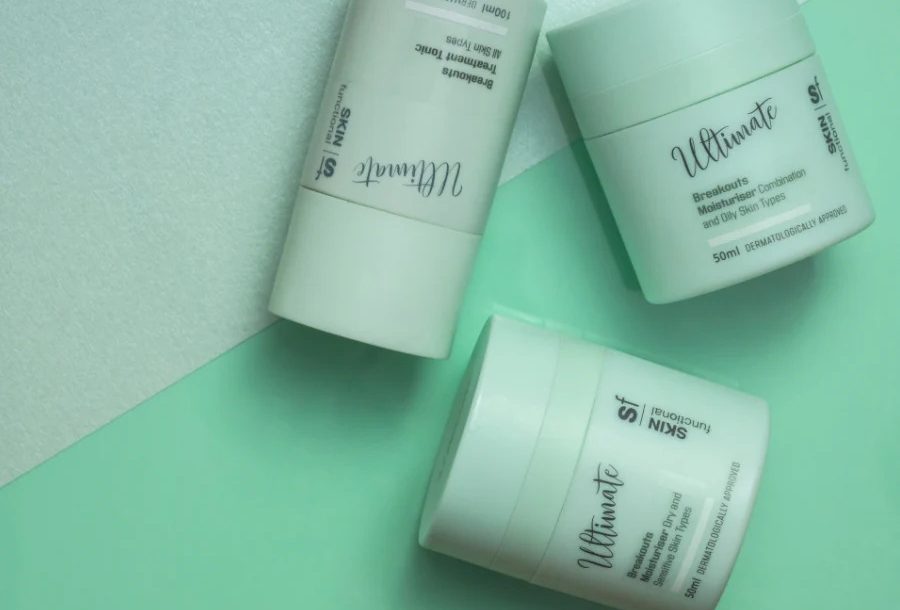
Skinimalism is deeply embedded in the DNA of SKIN functional. The brand was built on the belief that skincare should be purposeful, accessible and rooted in real skin needs rather than excess. Each product in the range is formulated to be multifunctional, addressing multiple concerns in one step: from supporting the skin barrier and hydration to targeting breakouts, uneven tone, or sensitivity. This allows consumers to build streamlined routines using fewer products, without compromising on results.
Social media’s role in the shift
Social media has played a paradoxical role in this movement. While it once fuelled excess through endless product hauls and trend cycles, it has also become the space where skinimalism found its voice.
We’re seeing more content that celebrates realistic skin, honest routines and long-term results. ‘De-influencing’ videos, where creators explain why you don’t need certain products, are gaining traction. Dermatologists and formulators are breaking down myths and advocating for fewer, smarter steps.
Younger audiences are responding to transparency. They are drawn to brands that educate rather than overwhelm, and founders who speak openly about formulation choices and realistic expectations. Skinimalism feels authentic in an era fatigued by overconsumption.
A shift in how brands need to show up
For brands, this movement requires a mindset change. Skinimalism demands restraint: in formulation, in messaging and in product launches. It challenges brands to justify every product they release and every claim they make.
At SKIN functional, we’ve seen first-hand how consumers respond to clarity. When routines are simplified and products are positioned with intention, trust grows. Customers feel empowered rather than confused, and loyalty follows.
This approach also invites brands to prioritise education over upselling. Teaching consumers how to build a routine around their actual skin concerns, not an aspirational ideal, creates a more meaningful relationship.
The future of skincare is not about having the biggest range – it’s about having the right one.
Less as a form of self-respect
There’s also an emotional component to skinimalism that shouldn’t be overlooked. Simplified routines feel kinder. They remove pressure, guilt and the sense that you’re ‘failing’ if you don’t keep up with trends.
For younger people navigating a world that is already loud and demanding, skincare becomes a grounding ritual rather than another obligation. A few well-chosen steps, morning and night, offer consistency and care without excess.
In this way, skinimalism reflects a broader cultural shift: valuing intention over accumulation, and quality over quantity.
The future is functional
Skinimalism is not a passing trend, it’s a correction: a return to function, science and respect for the skin as an intelligent organ that doesn’t need constant interference.
As younger generations continue to influence the beauty industry, we can expect to see more multifunctional products, fewer unnecessary steps and greater emphasis on education and transparency.
Ultimately, skinimalism reminds us that good skincare doesn’t have to be complicated. Sometimes, the most effective routines are the simplest ones – thoughtfully designed, consistently used and rooted in real skin needs.
Shannon Dougall
Founder


