
Environmental awareness days like Earth Day on 22 April, and World Environment Day on 5 June, have steadily shifted how many people think about our impact on the planet.
What was once limited to recycling bins and switching off lights has grown into something far more practical and individual. Businesses are now measured against sustainability targets. Consumers are better informed, and the push for eco-friendly living is increasingly shaping our homes and everyday habits.
And gardens are often where it becomes most personal.
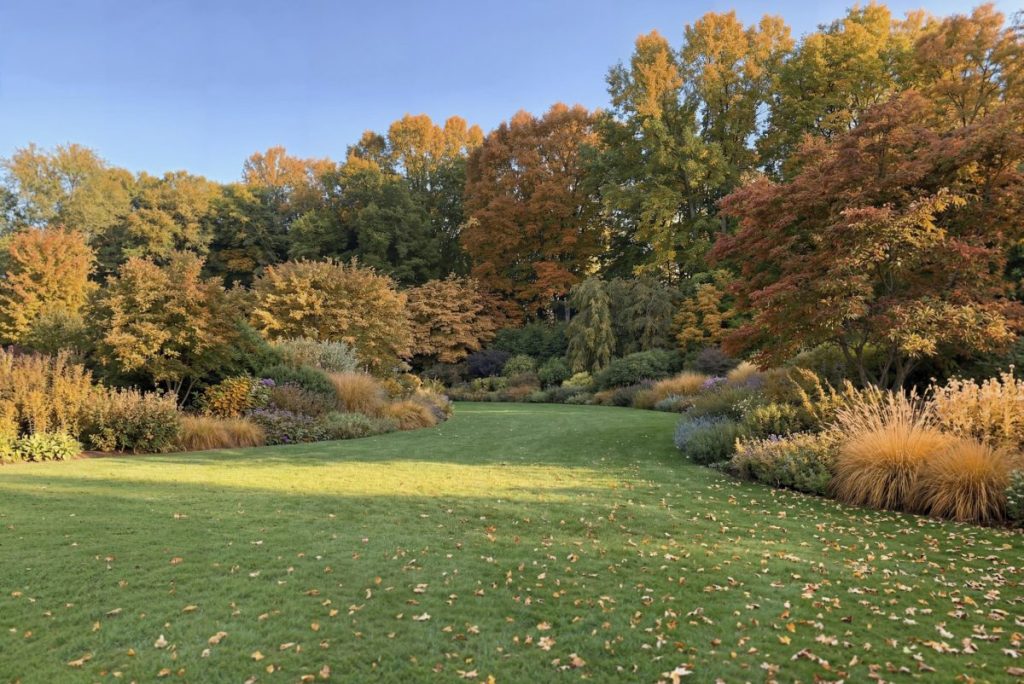
“As South Africa moves into autumn, the season presents a natural opportunity to rethink how we maintain our outdoor spaces. With less growth and cooler temperatures, small changes can make a meaningful difference without requiring extra effort,” says Timothy Isabirye, marketing manager at Husqvarna.
He offers 4 simple ways to garden more sustainably this autumn:
1. Resist the urge to tidy everything
Autumn triggers something for many gardeners: a compulsion to clear, rake, cut back and neaten. But sometimes the greener choice means doing less, not more.
Leaving some areas of your garden a little wild, like an unraked corner, a small log pile or some seed heads still standing, creates a vital habitat for insects, birds and other small creatures heading into winter. They are the unsung workers of a healthy garden, and need somewhere to shelter.
It’s a small mindset shift, but a meaningful one. A slightly ‘imperfect’ garden is also often the healthiest one.
2. Mulch, don’t bag
Autumn often means bags of fallen leaves lined up on pavements, ready for collection. Yet, those leaves are one of the most valuable resources your garden has.
Instead of bagging, mulching allows leaves to break down and return nutrients to the soil, helping retain moisture and reducing weeds in the process. It’s simple, yet old habits often persist, and these leaves are frequently discarded as waste. In reality, they’re anything but. Healthy soil stores carbon beneath the surface, meaning your garden is doing more for the environment than you may think.
It’s another small behaviour change that’s good for your soil… and the planet.
3. Be water-wise
South Africa’s water challenges are well known, and the garden is one of the easiest places to make a difference to help save this precious resource. And small changes amount to more than you realise.
Water your plants early morning or evening when evaporation is lowest, aiming for the roots rather than giving the leaves a shower they don’t need. It sounds obvious, but it makes a real difference.
Another simple but effective switch is how you clean outdoor spaces. Pressure washers, for example, use significantly less water than a standard hose while delivering better results on driveways, patios and garden furniture.
Longer term, if you’re replacing plants or giving a tired corner of the garden a makeover, it’s worth considering native or drought-resistant species. They need less water, less fertiliser and far less attention to thrive, which makes for a more earth-friendly environment overall.
4. Quiet power for ‘greener’ gardens
Outdoor power tools have come a long way. Battery-powered equipment is now more than up to the task for most residential gardens. Lighter, quieter and with a low emissions footprint, it’s one of the more practical shifts toward low-impact gardening, and worth considering if you’re in the market for a new tool this autumn.
But it’s the Husqvarna Automower® that shows just how far this evolution has come. By cutting little and often, this robotic lawnmower quietly maintains lawns effortlessly, eliminates direct emissions during use, and naturally mulches grass back into the soil. Smarter, more efficient and kinder to the environment with every pass.
Isabirye notes that environmental awareness days have helped start vital conversations and educate people, but the real shift comes in the practical, everyday choices we make. And autumn is the ideal time to introduce new gardening habits.
“Sustainable gardening does not require a complete overhaul. It’s about practical decisions that build over time,” he concludes, “And as more South Africans adopt these habits, the collective impact will ultimately extend far beyond the garden.”


