
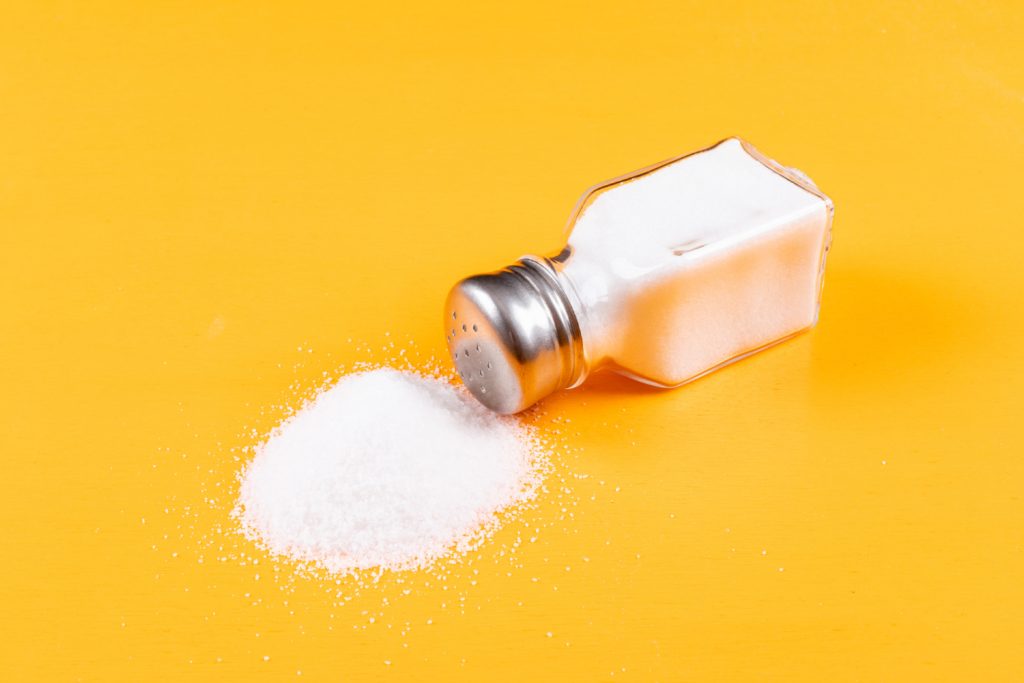
When most people think about ‘too much salt’, they picture someone heavily seasoning chips or pouring copious amounts of salt on their food at the dinner table.
But the sodium that is quietly influencing your blood pressure comes from sources far less obvious, including the ‘healthy’ wrap grabbed between meetings, the sports drink after gym, the sauce added to almost every meal, or even a stress-driven lifestyle that makes processed foods a daily convenience.
Nearly one in three South African adults has high blood pressure, and a significant proportion is not even aware. What makes hypertension especially deceptive is that it has almost no symptoms. There is no pain, no warning light, no moment where your body tells you something is wrong.
Many people only discover it during routine medical checks or when symptoms such as persistent headaches, fatigue or dizziness can no longer be ignored. And if left untreated, the consequences can be catastrophic, leading to a stroke, a heart attack or kidney failure.
So, if table salt is not the main enemy, what is?
The hidden sodium you are swallowing every day
Look no further than your medicine cabinet. Effervescent tablets, such as fizzy vitamin C, antacids and headache remedies, are commonly formulated with sodium bicarbonate as a carrier. The daily recommended limit for an adult is 2 000mg. So, consider the combined sodium intake after consuming two tablets and a takeaway lunch.
Then consider ibuprofen and other non-steroidal anti-inflammatory medications (NSAIDs), taken routinely by millions for backache, headaches or muscle soreness. NSAIDs cause the kidneys to retain sodium and water, a mechanism that directly raises blood pressure. They also reduce the effectiveness of hypertension medication, which is important if you suffer from high blood pressure.
Your food, even the ‘healthy’ kind, tells a similar story. Two slices of bread can contain 270mg of sodium before you add a single topping. Flavoured yoghurts, adult breakfast cereals, protein bars and low-fat salad dressings all carry far more sodium than their labels suggest. Then there is soy sauce: a single tablespoon poured over your sushi contributes to roughly 900mg of sodium in one go.
The modern lifestyle factors nobody mentions
One or two alcoholic drinks may feel relaxing, but it triggers the release of hormones that signal the kidneys to retain sodium and water. Regular weekend drinking increases this effect over time, and the blood pressure spike it causes can last well into the working week.
Chronic stress operates similarly. When cortisol, the primary stress hormone, is elevated for some time, it signals the kidneys to hold onto sodium. If you are navigating the pressures of a demanding job, parenting responsibilities, side hustles and financial pressure all at once, your sodium retention may be silently elevated – not because of anything you ate, but because of your lifestyle.
And then there is the ageing factor, a reality that nobody wants to acknowledge. From your 30s onward, the kidneys become less efficient at clearing excess sodium from your bloodstream. What your body handled effortlessly at 24 requires deliberate management by 44. The same diet and the same habits can produce different outcomes over time.
What you can do about it
The easiest step is to know your numbers. Blood pressure measurement is quick, painless and available at most pharmacies. A consistent reading above 130/80 mmHg is worth discussing with your healthcare provider – and while it may not be an emergency, it cannot be left untreated.
You do not need to make drastic lifestyle changes to reduce your sodium intake. Start by reading labels on bread, cereals and condiments; many people are surprised by how much sodium they contain. Check the sodium content of any effervescent supplements before making them a daily habit. If you use anti-inflammatories regularly, talk to your doctor about alternatives. Moderate your alcohol consumption and move your body regularly, as exercise is one of the most effective ways to keep blood pressure within a healthy range.
Medical aid members have a significant advantage. Hypertension is classified as a Prescribed Minimum Benefit condition under the Chronic Disease List conditions, giving qualifying members access to chronic medication benefits including consultations and medication delivered directly to their door.
Medshield Medical Scheme’s Wellness Benefit also covers a health risk assessment that includes blood pressure screening. A check that takes 20 minutes and can change the trajectory of the next 20 years.
Most importantly, get your blood pressure checked. It is not easy to manage what you do not know.
The saltshaker was always made out to be the culprit, but the real issue is quieter, more personal and far more manageable once you know where to look.
Image credit: Freepik/8photo


