
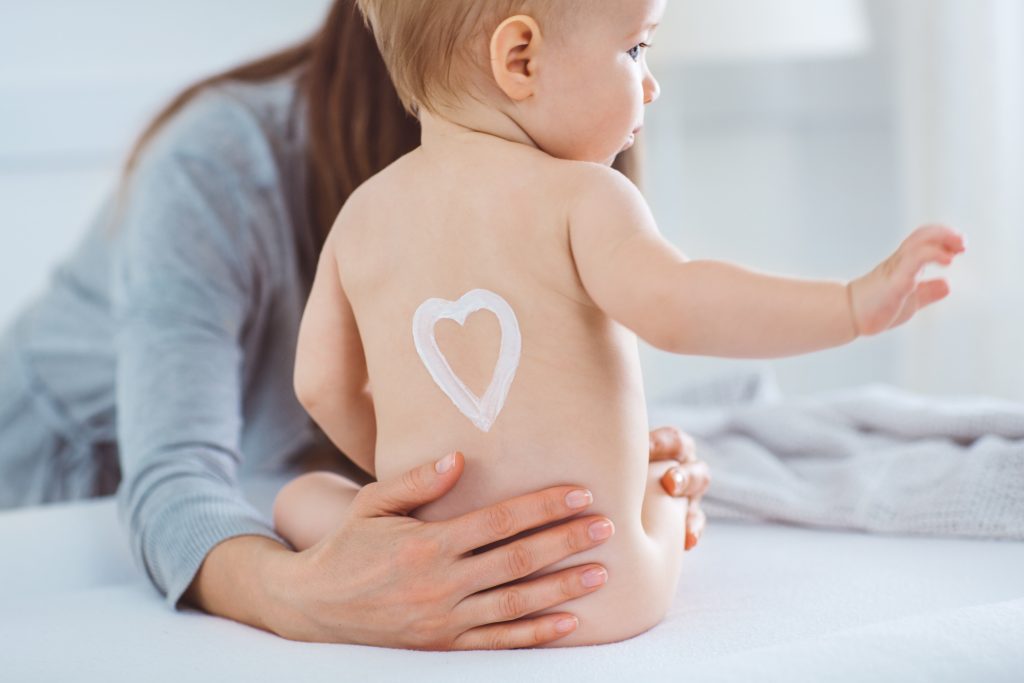
There are few things more distressing for parents than seeing their baby uncomfortable, especially when dry, itchy, irritated skin starts disrupting sleep, feeds and cuddles. From rough patches on tiny cheeks to persistent dry skin on arms and legs, eczema and skin sensitivity are common concerns among South African families.
While baby eczema (also known as atopic eczema or atopic dermatitis) cannot always be prevented, understanding triggers and creating a gentle skincare routine can help soothe discomfort and support healthier skin.
“Baby skin is far thinner and more delicate than adult skin, making it more vulnerable to dryness and irritation,” says Karen van Rensburg, spokesperson for Sanosan South Africa, a trusted skincare brand developed especially for sensitive baby skin. “The good news is that with the right daily care and awareness of triggers, many babies experience significant relief.”
How to spot the signs of eczema and dry skin
Dry skin in babies often appears as rough, flaky or slightly irritated patches, particularly during colder months or in dry climates.
Eczema, however, tends to be more persistent and may include red, inflamed, itchy areas that can become uncomfortable for babies.
Common signs include:
- • Dry, rough or scaly patches of skin.
- • Redness or irritation, particularly on the cheeks, arms, behind the knees, or elbows.
- • Itching, rubbing or fussiness due to discomfort.
- • Skin flare-ups that seem to come and go.
While some babies experience mild dryness, others may be more prone to eczema because of genetics, allergies or environmental sensitivities.
Identifying common triggers
Every baby is different, but certain factors can worsen dry skin or trigger eczema flare-ups. Parents may find it helpful to observe patterns and identify possible irritants.
Some common triggers include:
- • Harsh soaps or fragranced products – adult skincare products or heavily fragranced washes can strip delicate skin of moisture and aggravate sensitivity.
- • Dry weather and temperature changes – cold air, heaters and low humidity can contribute to skin dehydration, which is something many families experience during winter.
- • Overheating and sweat – babies who become too warm may experience irritation, particularly in skin folds.
- • Certain fabrics or laundry detergents – scratchy clothing or blankets, or strongly fragranced detergents can irritate sensitive skin.
- • Long or overly hot baths – although bath time can be soothing, very warm water or extended baths may dry out the skin further.
Choosing the right moisturiser matters
One of the most important ways to support dry or eczema-prone skin is through regular moisturising, but not all products are created equally. Parents should look for moisturisers specifically developed for babies and sensitive skin, ideally those that are dermatologically tested and designed for sensitive or eczema-prone skin. Make sure they are free from harsh ingredients, and are gentle enough for daily use.
“Choose products with natural, soothing and protective ingredients like organic olive oil and chamomile,” advises Van Rensburg.
A gentle daily routine for relief
For babies struggling with dryness or eczema, consistency often matters more than complexity. A simple, soothing routine may help minimise irritation and support skin comfort.
Parents can consider the following:
1. Keep baths short and lukewarm
Avoid overly hot water, as it rapidly strips away baby skin’s natural oils and damages the already fragile skin barrier. Use gentle cleansers specially formulated for delicate baby skin – such as Sanosan Baby Bath & Shampoo, which contains milk protein and organic olive oil – and preserve the natural protective function of the skin.
2. Pat skin dry, don’t rub
After bathing, gently pat the skin dry with a soft towel rather than rubbing. Rubbing causes friction, which can easily lead to irritation, redness and chafing.
3. Moisturise generously and regularly
Apply a gentle baby moisturiser after bathing and whenever skin appears dry. Sanosan Baby Care Lotion contains 96% natural ingredients, including milk protein and organic olive oil, as well as soothing panthenol and chamomile – perfect for baby’s sensitive skin.
4. Dress babies in breathable fabrics
Soft cotton clothing is often more comfortable for sensitive skin than rougher fabrics, and breathability reduces the chances of sweating and rashes forming.
5. Keep nails short
This may help reduce irritation if babies scratch itchy areas.
When to seek medical advice
While mild dry skin can often be managed at home, parents should speak to a healthcare professional if eczema becomes severe, painful, infected or significantly disrupts sleep and comfort.
Every baby’s skin journey is different, but with patience, observation and a gentle approach to skincare, parents can help keep little skin calmer, softer and more comfortable.
Sanosanspecialises in baby skincare inspired by the natural nourishing properties of milk protein, formulated to help support the skin’s protective barrier while keeping baby skin soft and healthy. The range is developed specifically for delicate baby skin and dermatologically tested to ensure gentle, effective care.


