
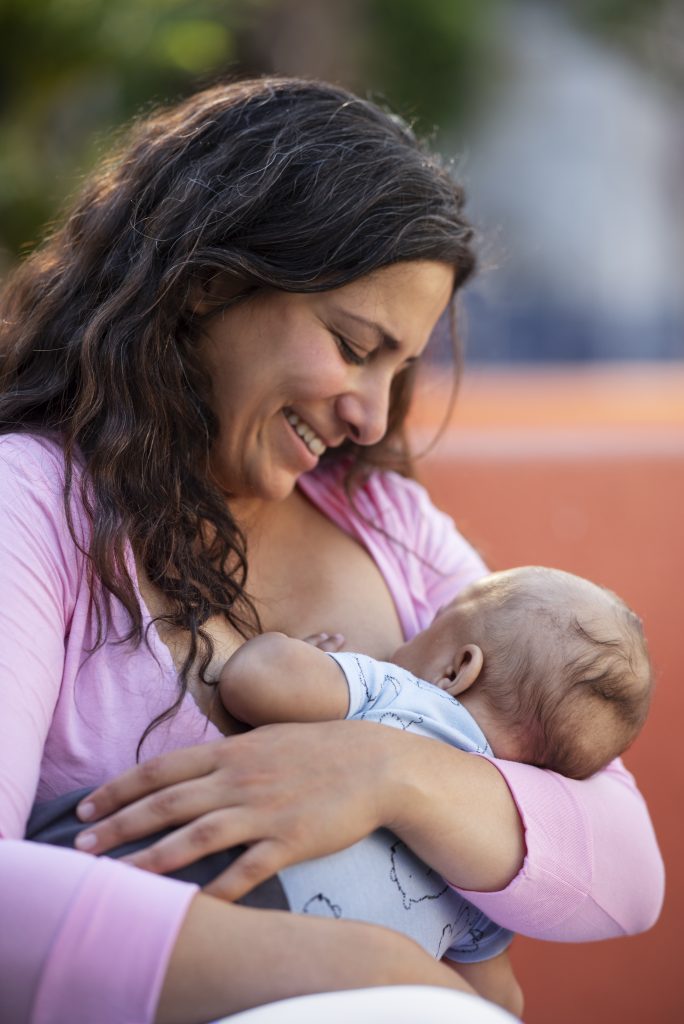
Globally, less than half of all newborns (46%) are breastfed within one hour of birth, leaving many newborns waiting too long for this critical contact with their mothers. While breastfeeding is one of the most effective ways to support the health and development of a baby, the reality is that every family’s feeding journey is different – shaped by unique circumstances.
As World Breastfeeding Week comes to a close, this year’s theme “Invest in breastfeeding, invest in the future” presents an opportunity to reflect not only on the importance and benefits of breastfeeding, but also on the need for inclusive and supportive options: whether through breastfeeding, formula, donor milk or wet nursing – to ensure every baby has the best possible beginning in life.
Why breastfeeding matters
Made for babies, easy to digest, rich with nutrients and immune strengthening – breastfeeding is essential for the development of babies. Research indicates that breastfeeding reduces the risk of childhood illnesses including infections and allergies, and may protect them later in life from chronic conditions such as diabetes and obesity.
Further to that, studies indicate that mothers reap health benefits from breastfeeding too, including a lower risk of breast cancer, ovarian cancer and type 2 diabetes. It also supports postpartum recovery, and helps regulate hormones and stress.
Beyond health, there are economic and societal benefits, too:
- Breastfeeding is free: It eases financial pressure off parents for each child. In homes where every cent counts, breastfeeding makes a huge difference in household costs.
- It reduces healthcare costs: Babies who are breastfed experience fewer illnesses, which means fewer visits to the doctor, less spending on medication and fewer hospital admissions – not just in early childhood but also later in life.
- It boosts brain development: Linked to better brain development, higher IQ and improved school performance, babies who are breastfed have a higher chance of succeeding in school. This, in turn, contributes to long-term advantages in creating an improved society.
- It supports workplace productivity: When babies are healthier, parents miss fewer days of work. In turn, when mothers are supported to breastfeed, either through paid maternity leave, or providing breast pumping-friendly spaces at the office, they are likely to return to work and maintain productivity – helping companies thrive, too.
What happens when mom can’t, or is not around to breastfeed?
Every mother wants what is best for their baby, especially when it comes to nutrition. But what happens when mom is not around to offer this crucial contact, especially in a world where breastfeeding is considered as an act only a biological mother can do?
If a mother is unable to breastfeed due to illness, death, low milk supply or other life difficulties, there are several alternatives which are safe. Formula is the most common alternative to breastmilk, providing nourishment, necessary vitamins, proteins and nutrients that babies need to grow and thrive.
Other less common alternatives include human milk banks, where donated breastmilk is collected, screened and provided to vulnerable infants including premature or sick babies.
In certain cultures and communities, ‘wet nursing’ – when another woman breastfeeds a baby that is not biologically hers – is another possibility; however, one that must be approached with care. Key considerations include thorough health screening for infectious diseases such as HIV and hepatitis, informed consent from the baby’s parents, and consideration of cultural or religious implications.
Breast milk or formula – both feeding choices matter
Choosing between the types of feeding shouldn’t be about breast milk versus formula milk, but more about finding what works for you and your baby. In addition, the two don’t have to be mutually exclusive. Many families successfully combine both, creating a flexible feeding routine that supports the baby’s needs and the parent’s lifestyle.
Whether you choose to breastfeed or bottle feed, or do a bit of both, it’s important to know that your feeding journey will be shaped by your circumstances, preferences and your baby’s needs.
Image credit: Freepik


