
Grassroots handover tackles crisis where 8 in 10 learners can’t read for meaning
Cape Town: As South Africa recognises National Literacy Month, the Western Cape has become the third province to receive multilingual, multicultural books through a Read with Wimpy and Ladles of Love literacy initiative, with 4000 brand-new storybooks now in the hands of young learners in need across the region.
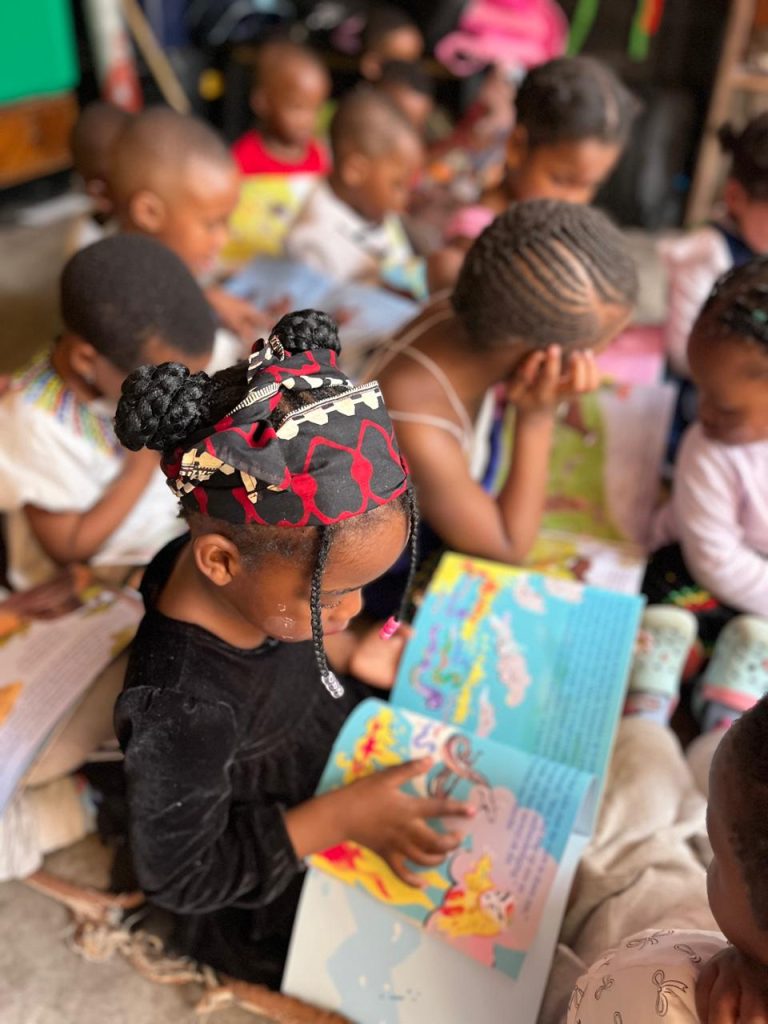
The early childhood development (ECD) centres located in some of the city’s most underserved areas, including Delft, DuNoon, Lotus River, Khayelitsha face high levels of poverty and illiteracy, where access to quality books is almost non-existent. For many children, this was their very first experience holding a brand-new book of their own.
The timing couldn’t be more critical. The 2025 Thrive by Five Index findings released this week paint a stark picture of inequality and the urgent need to strengthen early learning – revealing that less than half of preschool children are meeting developmental milestones.
A key challenge remains the lack of books in households. Among enrolled children, only 11% of families reported having more than five children’s books at home, while 26% had none. For non-enrolled children, the figure was worse, with 77% of caregivers reporting no children’s books at all.
The collaboration between the Read with Wimpy Initiative and Ladles of Love forms part of the non-profit organisations “Advancing Education through Nutrition Roadshow,” using the NPO’s established network across underserved communities to facilitate mother-tongue reading at early childhood development (ECD) level.
With 81% of Grade 4 learners nationwide unable to read for meaning according to the Progress in International Reading Literacy Study (PIRLS 2021), the Northern Cape initiative addresses the urgent need for accessible, culturally relevant reading materials in under-resourced communities.
Ladles of Love, which has served over 48 million meals since March 2020, brings proven community relationships and distribution capabilities to the literacy initiative. “With the right fuel for their bodies and the right tools for their minds, we’re ensuring that no child is left behind due to the circumstances of their birth,” says Yolanda Jones, Ladles of Love programme director.
Seventeen Gauteng ECD’s receive books in their mother-tongue
Ladles of Love, in partnership with Wimpy, spread joy and hope across Cape Town as part of their ongoing Literacy Roadshow, gifting over 4000 brand-new books to just children across six early childhood development centres, namely Happy Feet Educare, Khula Educare, Uthando Daycare, We Care, Ukhanyo and Anne’s Toddlers.
Each child at the early childhood development centers received two carefully selected books – one in their mother tongue to build foundational reading skills and cultural identity, and another in English to prepare them for future academic and professional success.
The excitement was infectious, parents picking up their kids from the centre during the handovers were equally moved, many sharing how precious it was for their little ones to finally have books that are not torn or second-hand, but brand new.
The Literacy Roadshow not only provided books but also hosted an engaging workshop for principals and educators. Principal Nosipho from Ukhanyo Educare shared how much this means to their centre,”Before this the children didn’t even have a reading corner as they had no books to put in it, but now to have each child sit with a book of their own is a gift that one cannot put a value to. The children will have hours of reading time now and for that they are forever grateful.”
National impact, local delivery
The Cape Town handover concluded the rollout of a 6,000-book donations spanning three provinces, also including Gauteng and the Northern Cape.
“It was through our children’s campaigns over the years that we realised the severity of the literacy crisis,” says Jodi Law, Wimpy brand manager. “We noticed that there was a growing need for children to read relatable books, preferably written in their home language.”


