
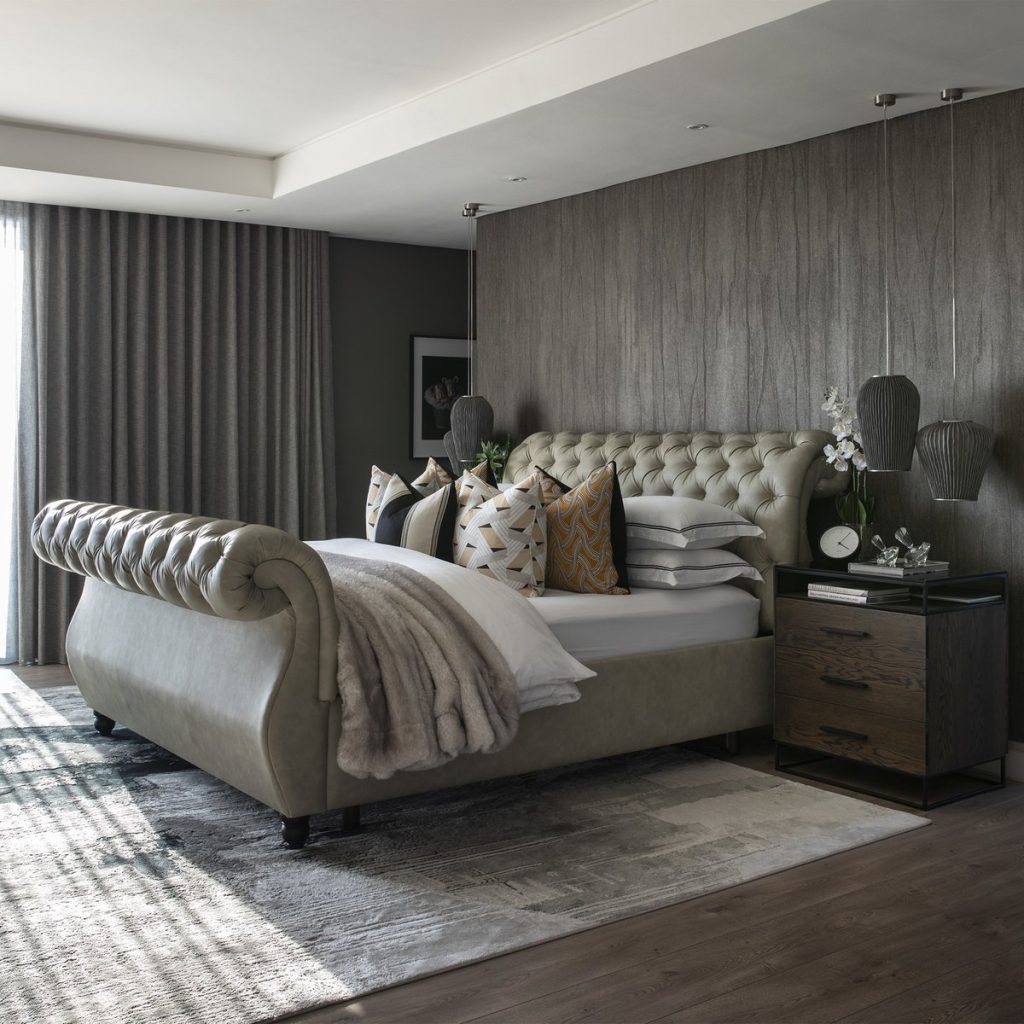
The resurgence of the ‘old money aesthetic’ in interior design is capturing the attention of discerning homeowners seeking timeless sophistication over fleeting trends.
South Africa’s award-winning luxury design studio Giava Interiors is leading the charge with design philosophies rooted in heritage, craftsmanship and quiet luxury.
“Old money interiors are not about flashy finishes or mass-produced décor,” says Vinette Diab-Nicholls, founder and creative director of Giava Interiors. “They are about permanence, elegance and an emotional connection to the objects and materials in your home.”
Giava Interiors believes this sought-after aesthetic can be achieved by following a few key principles:
- Choose solid wood and heirloom-quality furniture – Oak, walnut or mahogany pieces that grow more beautiful with time.
- Opt for custom-made and handcrafted décor – Work with artisans and boutique workshops to add personal, exclusive touches.
- Use durable, natural materials – From veined marble to brass, linen and wool, quality always trumps quantity.
- Blend classical elegance with modern restraint – Incorporate modern silhouettes and minimalist accents for a balanced, lived-in look.
- Design with intention and invest in fewer, better things – From layout to lighting, every detail should reflect purpose and personality.
The studio also emphasises the importance of working with a professional interior designer to achieve a curated, cohesive look. According to Diab-Nicholls, “Great design often lies in what’s left out. An experienced designer will ensure your home reflects timeless taste and personal legacy – not trends that expire in a season.”
Colour palettes tend to be grounded in nature – soft taupes, navy, moss green and ivory – serving as a canvas for layered textures, antique finishes and statement pieces with provenance.
“The old money aesthetic is more than a trend. It’s a quiet rebellion against disposability,” says Diab-Nicholls. “It’s about creating a home with soul: one that gets better with time and is worthy of being passed down.”


