
Education is rapidly transforming worldwide, and in the early childhood years there is a marked shift toward child-centred, joyful models over rigid academics.
“The Reggio Emilia approach, particularly within the early years (infant, toddler, preschool and primary phases), is grounded in the belief that children are capable, curious and rich in potential. It promotes inclusive learning environments that support students’ wellbeing, encourage meaningful social interaction and foster a strong sense of belonging.” says Darren Purdon, head of Academics at Advtech Schools.
“Central to this approach is a shared responsibility to the community, one that embraces diversity, promotes collaboration and nourishes a creative culture for teaching and learning.
“At the heart of the Reggio Emilia approach lies the understanding that education is not self-sufficient. Learning does not happen in isolation; it emerges through resources, experiences, theories, dialogue and relationships. Children do not learn by themselves, but through interaction with others and through engagement with thoughtfully designed environments,” he explains.
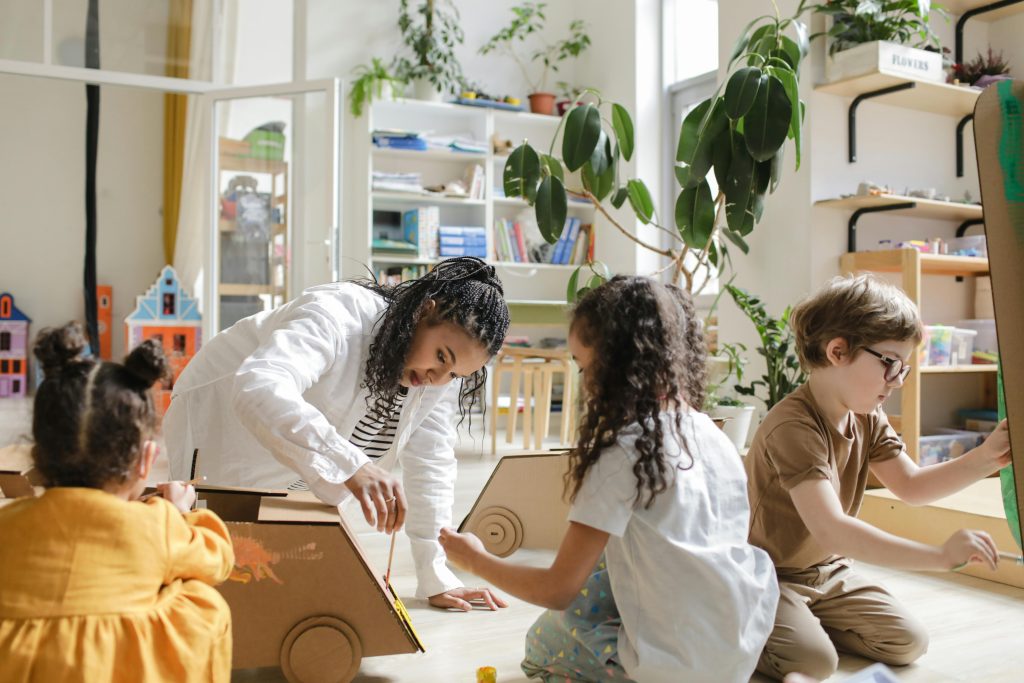
As a result, Reggio Emilia classroom spaces are intentionally equipped to reflect what is being taught, ensuring the environment itself becomes an active participant in learning – often referred to as the ‘third teacher’.
“Children are seen as natural researchers who explore ideas through encounters with peers, materials and experiences. Through thinking, acting, listening and questioning with curious minds, they co-construct knowledge together,” notes Purdon.
“It is therefore important to note how accessible, everyday materials such as paper, natural objects and recycled resources can play an important role in these learning experiences. These materials invite creativity, exploration and critical thinking. This means students can engage in practices such as observational drawing, while teachers carefully document learning through photographs, notes and displays. Documentation makes thinking visible and honours children’s learning journeys, allowing reflection for both student and teacher.”
A key principle of the Reggio Emilia approach is seeing each child as an individual with rights, resulting in personalised learning being evident in every classroom. The teacher’s role shifts from instructor to guide, listener and co-learner, creating space for each child’s voice to be heard.
As Loris Malaguzzi, founder of the Reggio Emilia approach, famously stated: “There is no learning without joy.”
Learning, therefore, should be joyful, playful and filled with discovery, says Purdon.
“South African parents are increasingly drawn to Reggio Emilia–inspired education because it delivers measurable benefits: stronger social-emotional skills, enhanced creativity, better critical thinking, deeper engagement and, crucially, children who love learning.
“In a world where young children face growing and often exhaustive academic pressure, this approach offers a refreshing and evidence-aligned alternative that builds confident, capable and happy learners.”
By honouring children’s voices, embracing diversity of expression and creating environments where inquiry and wonder flourish, the Reggio Emilia approach continues to influence progressive early years education globally and will increasingly do so locally as well, Purdon says.
“We know the most powerful learning happens when children feel seen, heard, respected and free to explore the world with joy and confidence. For schools committed to truly child-centred education, the message from Reggio Emilia is clear: The future belongs to approaches that ignite curiosity, celebrate creativity and place the wellbeing and potential of every child at the very heart of learning.”
Image credit: Pexels/Ron Lach


