
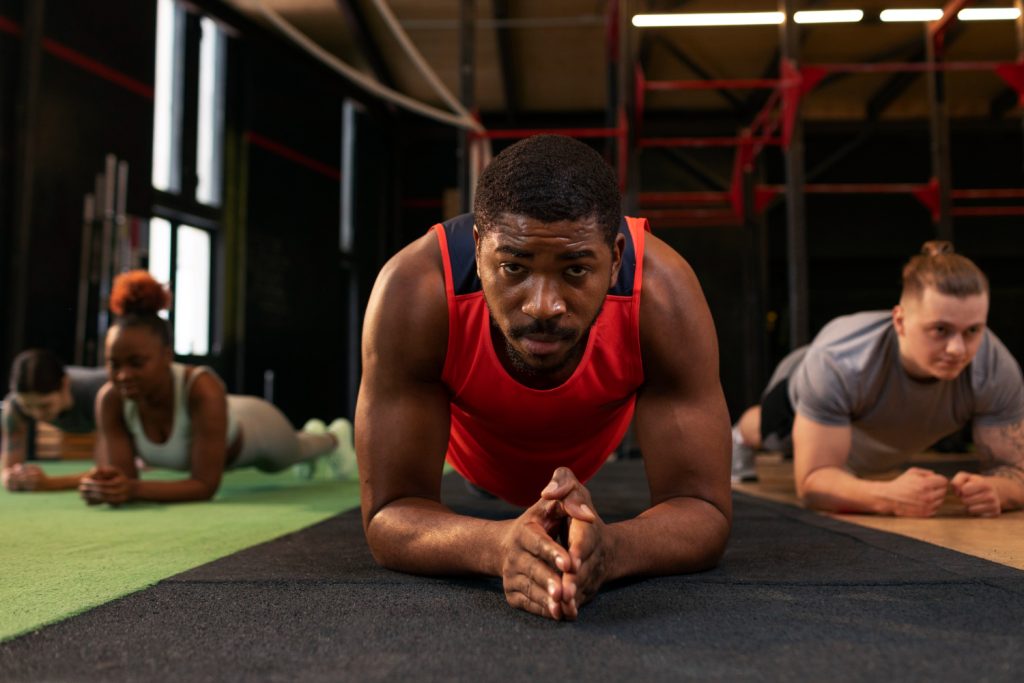
Stress is often seen as something that lives in our mind. But speak to anyone carrying tight shoulders, stiff hips or persistent headaches or fatigue, and a different picture starts to emerge.
Stress doesn’t just stay in our thoughts – it settles into our bodies.
“Our bodies don’t separate mental and physical stress,” says Ceri Hannan, head of Product at Planet Fitness. “They respond to both in the same way, by increasing muscle tension and holding us in fight, flight or fright mode. The problem is that most of us never fully come out of this state without active interventions.”
Here’s how it works: Constant low-level stress elevates our cortisol level, and this causes an increase in muscle tension and inflammation, while reducing mobility and recovery capacity. Over time, this can show up as restricted movement, discomfort and a higher risk of injuries during training.
Modern lifestyles only amplify the issue. Long hours spent sitting, combined with high-pressure environments, create the perfect conditions for chronic tension to build.
Research continues to highlight the link between sedentary behaviour and higher stress, with physically active individuals showing greater resilience.
Training is often positioned as the solution. And, to a large degree, it is. Movement helps regulate our nervous system, improve circulation and provide a release for built-up tension. But without proper recovery, it can also add to our body’s stress load.
“Training is a form of stress on the body,” Hannan explains. “This is a good thing. It’s how we adapt and get stronger. But if we don’t balance it with recovery, we’re just layering stress on top of stress.”
This is where many people fall short. Pushing harder, training more frequently and overlooking rest days can lead to fatigue, stalled progress and burnout. A more sustainable approach recognises that recovery is critical.
Mobility and stretching are some of the most accessible tools in this space. By improving our joints’ range of motion and releasing muscle tightness, they help restore movement quality while also down-regulating our nervous systems. Even short mobility sessions can make a noticeable difference in how our bodies feel and perform, as long as they’re consistent.
“Mobility isn’t just about flexibility,” says Hannan. “It’s about giving our bodies the ability to move well, recover properly and handle physical stress more effectively.”
Sleep is another essential piece of the puzzle, and one that’s often underestimated. Our bodies carry out much of their repair work, from muscle recovery to hormone regulation, while we’re asleep. Interrupted or insufficient sleep can compound stress, reduce energy levels and limit the benefits of training.
In response to this growing awareness, recovery is becoming a more intentional part of people’s training routines. At Planet Fitness, this has taken shape through Planet Recovery, dedicated in-club spaces designed to support your body after training. Tools like red light therapy and compression boots improve circulation, reduce soreness and help the body return to a more balanced state.
“Our goal is to make recovery accessible,” Hannan says. “Because when people start to prioritise it, everything else improves, including how they train, how they feel and how they manage stress.”
Ultimately, managing stress isn’t just about pushing through tough sessions or finding moments of mental calm. It’s about recognising how deeply connected our bodies and minds are, and responding accordingly.
Movement, recovery and rest aren’t separate pillars. They work together. And, when they’re in balance, our bodies are far better equipped to handle whatever stress comes our way.
Image credit: Freepik/pikisuperstar


