
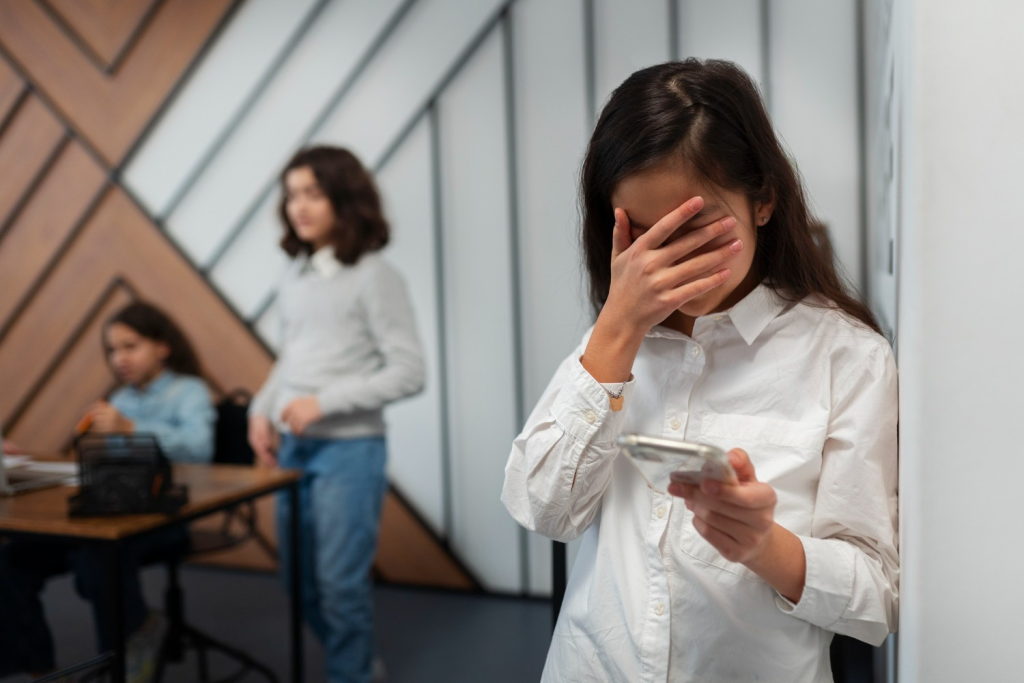
A new wave of research has confirmed what many South African parents already suspect: Cyberbullying is rising – and fast. A recent UNISA study of secondary school scholars shows that 31.2% have been cyberbullied, compared to 16.9% in 2012, while 54% of parents report they know of a child in their community who’s been bullied online. The discrepancy in these numbers points to, among other reasons, these children feeling that nothing can be done about it.
“Technology connects young people to the world, but it also exposes them to risks previous generations didn’t face,” says Phethego Malapane, assistant principal: Social Services and Counsellor, at SPARK Schools. “Cyberbullying isn’t limited to school hours or playgrounds. It follows children home, 24/7, through their phones and tablets, and parents have a responsibility to protect their children.”
Malapane says parents also often feel powerless against these threats. But, she adds, there are practical steps families can take to protect their children from harm, and to build resilience if it does happen:
1. Create a home culture of digital transparency: Children are less likely to hide what’s happening online if they don’t fear punishment or judgment. Instead of banning apps or confiscating devices, which can make them more secretive, Malapane suggests setting up regular, open conversations about their online experiences.
“Ask what platforms they use, whom they talk to, and what makes them uncomfortable online,” she says. “The goal isn’t to police them, but to keep communication lines open so that they come to you first when something feels wrong.”
Parents can also establish ‘digital check-ins’: times when devices are used together to explore apps, privacy settings and safe usage habits.
2. Understand what cyberbullying looks like: Cyberbullying has evolved beyond direct insults or name-calling. It now includes exclusion from group chats, humiliation through doctored images or memes, and anonymous hate messages sent via temporary or encrypted channels.
“Many cases now involve subtle or manipulative behaviour rather than overt attacks on social media platforms,” says Malapane. “Parents need to know that even one cruel meme shared in a group can have lasting psychological effects.”
3. Monitor physical and mental health as closely as online behaviour: Cyberbullying isn’t only about technology. It’s also about trauma. Victims often show warning signs that resemble anxiety or depression: disrupted sleep, ailments like head- and tummy-aches, withdrawing from social and sporting activities, a reluctance to attend school and a drop in academic performance. Furthermore, a study of Western Cape teenagers who’re receiving help for their mental health reports that more than half have experienced cyberbullying.
Malapane stresses that parents should view mental and physical health as part of digital safety. “If a child’s behaviour changes suddenly, don’t assume it’s just teenage moodiness. Ask gentle questions, involve the school counsellor and seek professional help early if needed,” she advises.
4. Partner with schools, not just teachers: Schools have a legal and ethical duty to protect learners from bullying. But successful prevention requires a partnership between parents, educators and the scholars themselves. Parents should familiarise themselves with their child’s school anti-bullying policy and escalate issues early, rather than waiting until harm becomes visible.
“At SPARK Schools, we’ve learnt that the most effective response happens when parents, teachers and counsellors share information,” says Malapane. “If a learner is targeted online, it’s rarely isolated from what’s happening socially at school. Collaboration helps us intervene faster and with more sensitivity.”
While South Africa’s online safety laws, including the Films and Publications Amendment Act and Cybercrimes Act, make digital harassment a punishable offence, experts agree that prevention still starts at home.
Malapane sums it up: “We can’t control every message our children receive, but we can control how safe and supported they feel when they open up about it. That’s where real digital safety begins.”


